

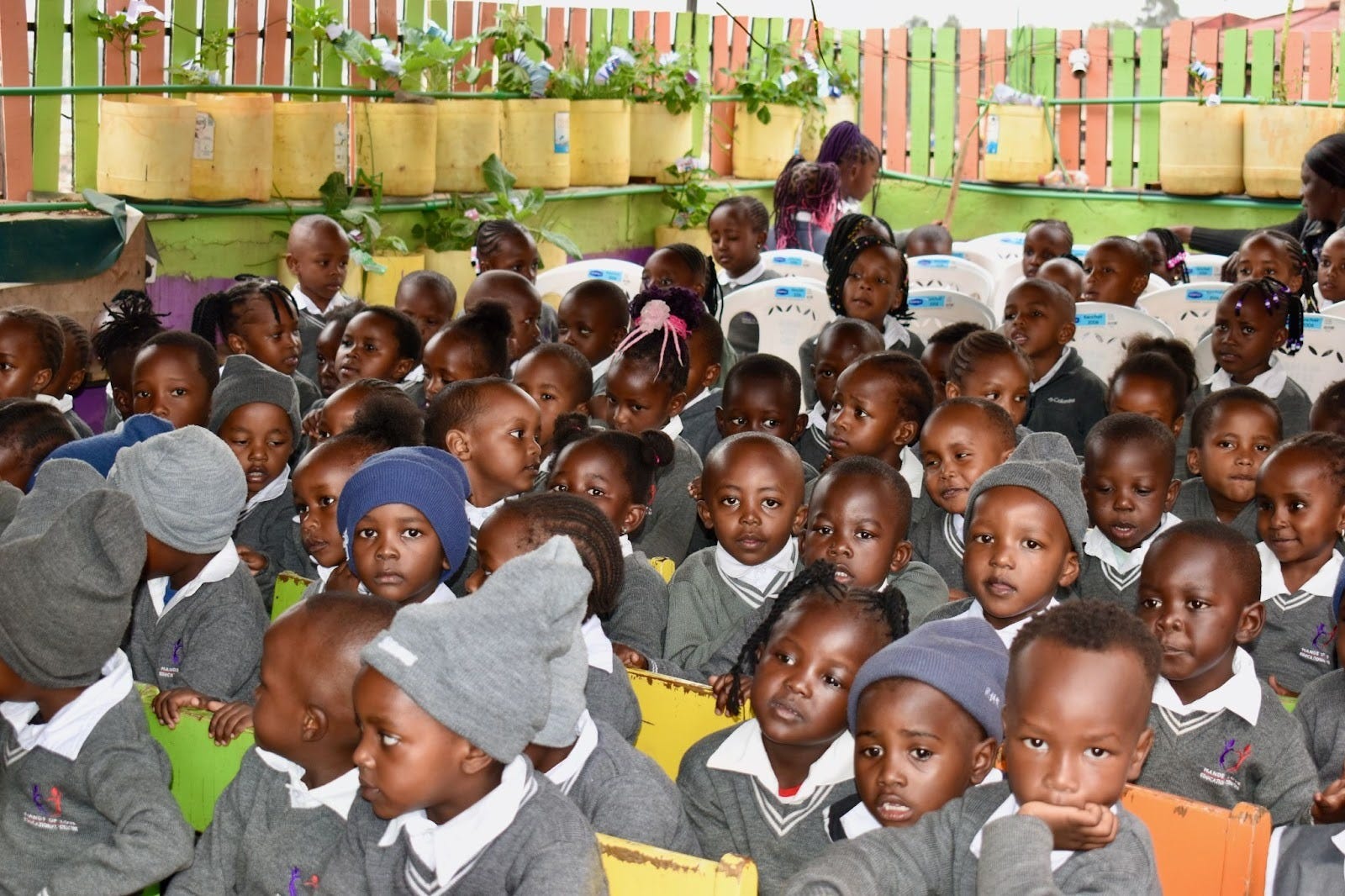
As we close the chapter on 2025, I am filled with immense gratitude and pride. This year has been one of significant transformation, resilience, and renewed focus for the Hands of Love.
We began the year with difficult decisions to ensure our sustainability, but we end it with a clear vision, a stabilized environment, and a celebration of our students’ success.
A Year of Strategic Refocus
In January, we made the decision to streamline our operations and concentrate solely on preschool education. This meant phasing out Grades 1 and 2 to concentrate on our youngest learners: Playgroup, Nursery, Pre-Primary 1 (PP1), and Pre-Primary 2 (PP2).
The reduction in our student body, from 192 to 115 enabled us to optimize and appropriately scale our resources. The year was also marked by significant learning, allowing us to observe the impact of the changes and evaluate their efficacy so as to determine the best way forward.
Education Milestones
Throughout the year, we successfully adapted to Kenya’s changing Competency-Based Curriculum (CBC) standards. Our streamlined size allowed us to be agile, integrating academic, social, and emotional learning more effectively. The detailed class reports by teachers demonstrate this.
A standout achievement this year has been the deeper integration of the Waldorf Education Method thanks to the support and guidance from our friends and partners at Direttamente Italy. Led by our headteacher, Lilian Anyango, we have woven painting, singing, movement, and nature-based play into our daily routine.
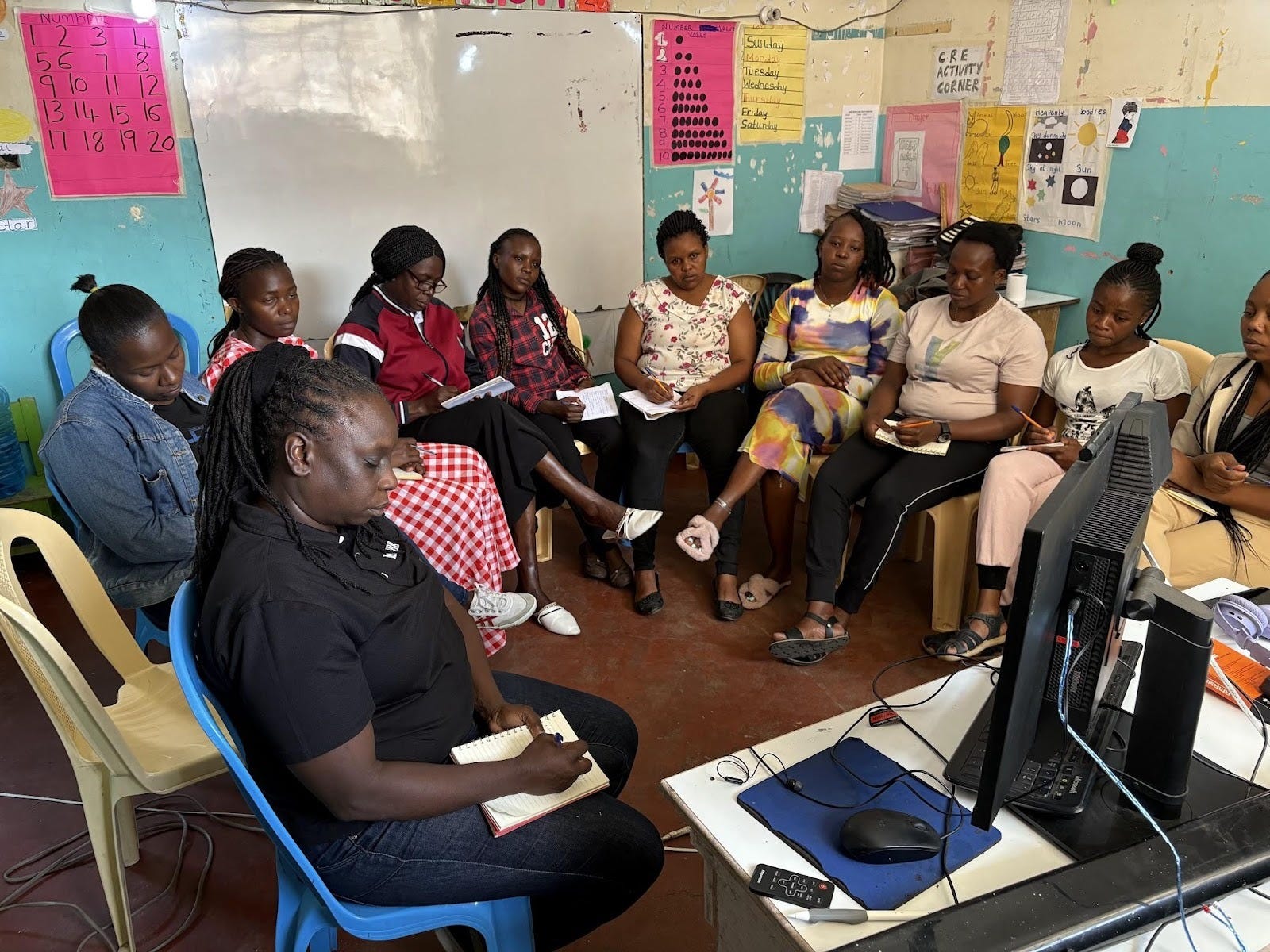
In March, our PP2 students proudly represented Hands of Love at the Nairobi Drama Festivals by performing an English choral verse. The experience was a resounding success that boosted their public speaking skills and self-esteem.
Health, Nutrition, and Welfare
Our commitment to nourishment grew stronger in 2025. We served two meals a day to 115 children for a total of 205 days. A total of 47,150 meals.
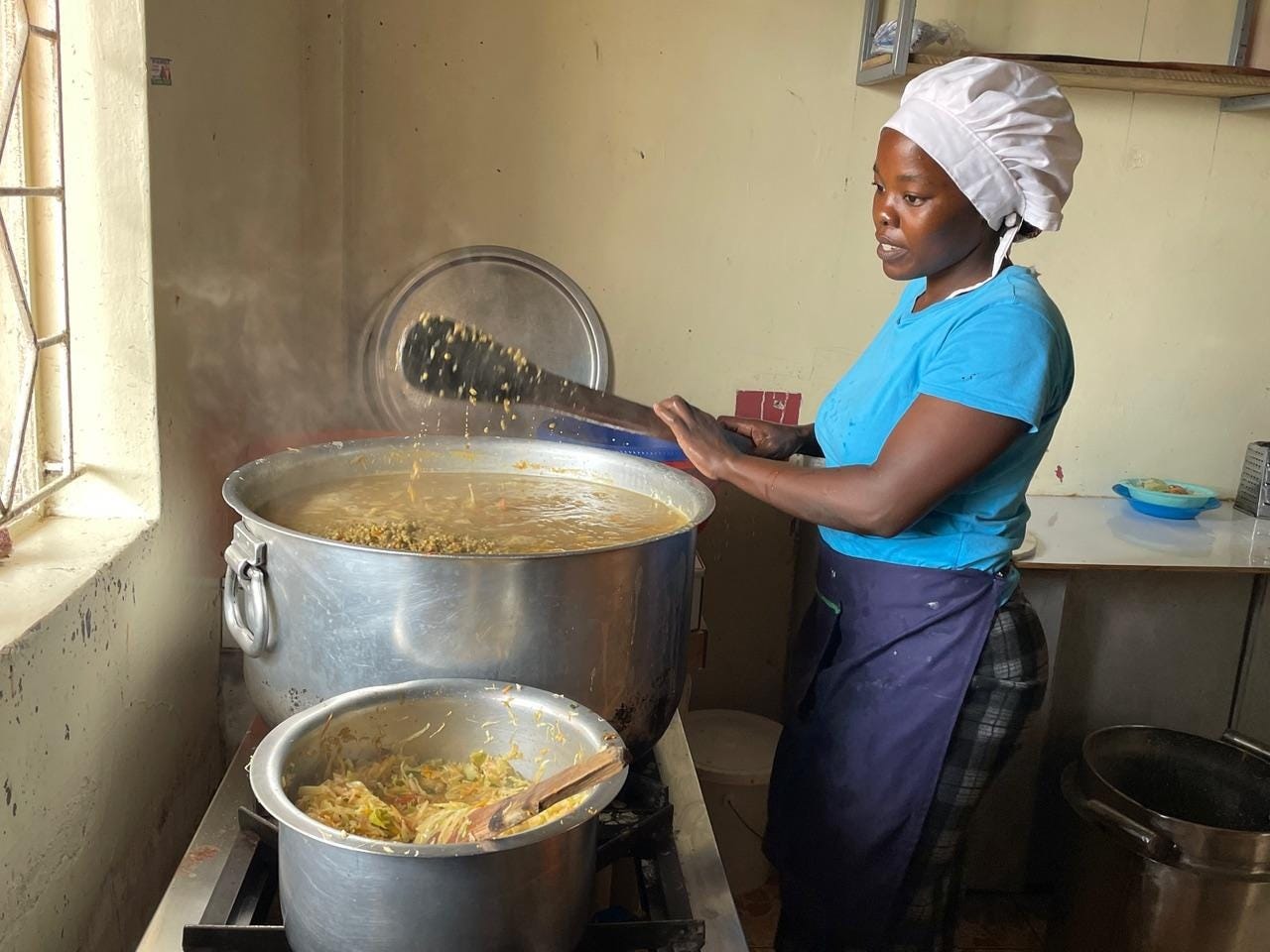
As anticipated in our June update, we started receiving support from the Nairobi County government’s “Food for Education” program. This partnership has been a game-changer enabling us to significantly reduce the cost of the food program.
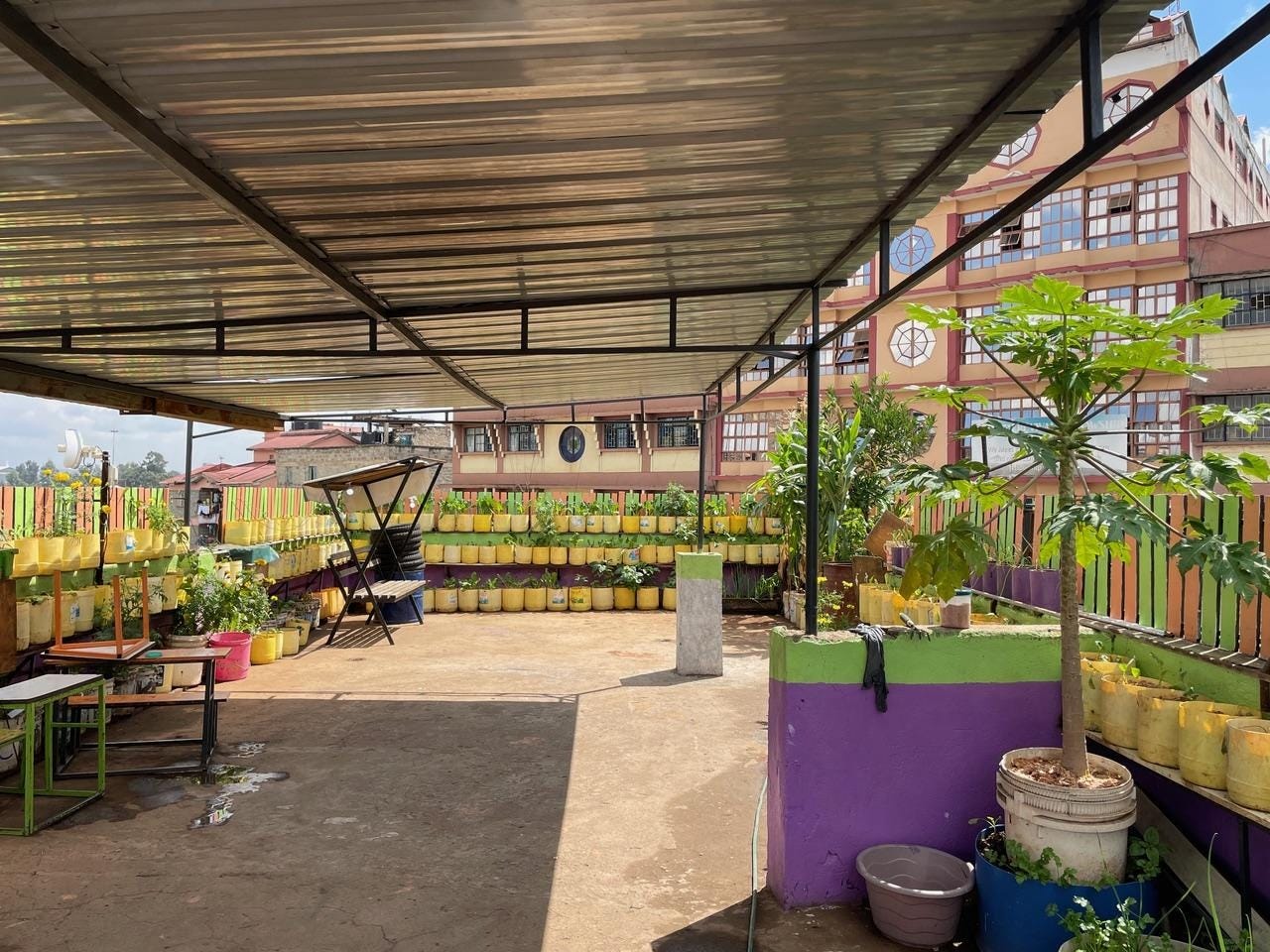
The rooftop garden did not do very well this year because we had long stretches of time when our water supply was cut. However, the addition of 25 egg chickens in July enabled us to increase protein intake for our students in the second half of the year.
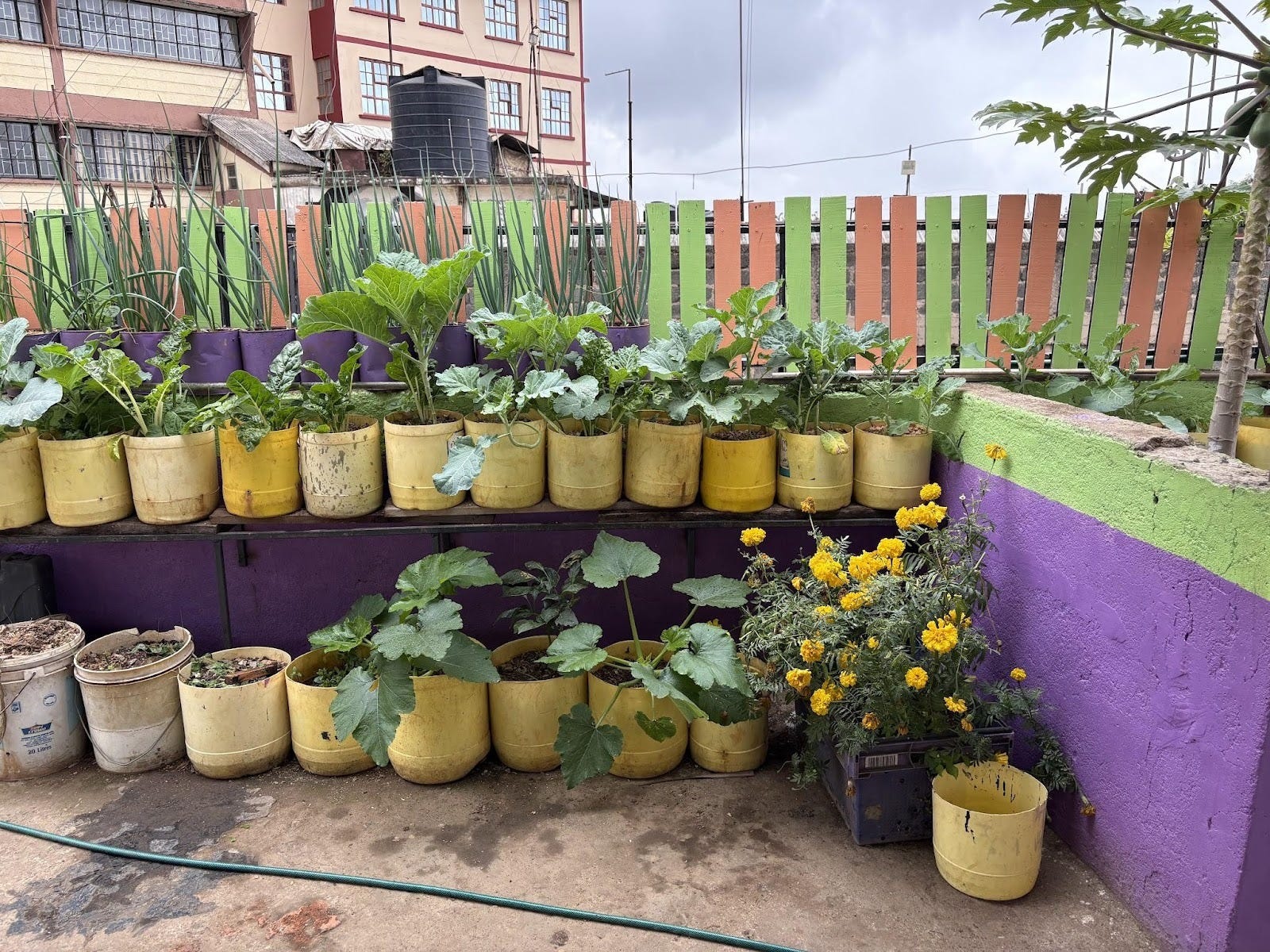
To improve water safety we installed clean drinking water stations in every classroom, treated with Ministry of Health-approved tablets to ensure the health of our students.
This year, the families we serve have demonstrated inspiring resilience, extending our work far beyond the classroom. Despite the challenging economic climate in Kariobangi, our parents have partnered closely with us, prioritizing their children’s education by attending meetings and volunteering. We conducted 43 home visits, further strengthening these ties. A notable example of our commitment to the community was hosting five families at the school for three days after a devastating neighborhood fire.
Facility Upgrades
We undertook essential maintenance to ensure our school remains a safe and welcoming haven. These improvements, aimed at keeping our learning environment bright, clean, and secure, significantly enhance the daily lives and dignity of our learners and staff. They include improvements in the kitchen, extending the rooftop shade and installation of additional water storage tanks.
The Class of 2025 Graduation
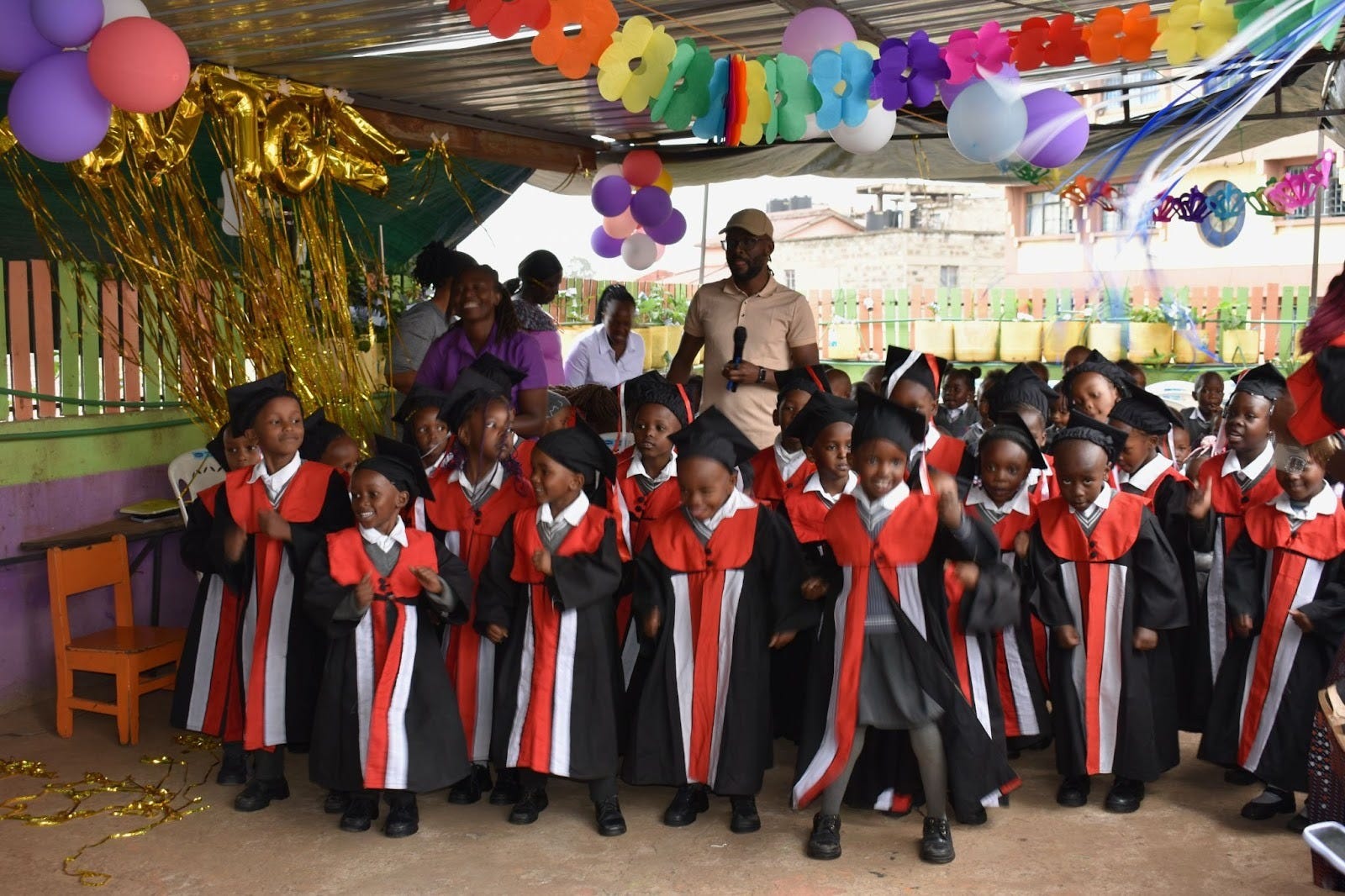
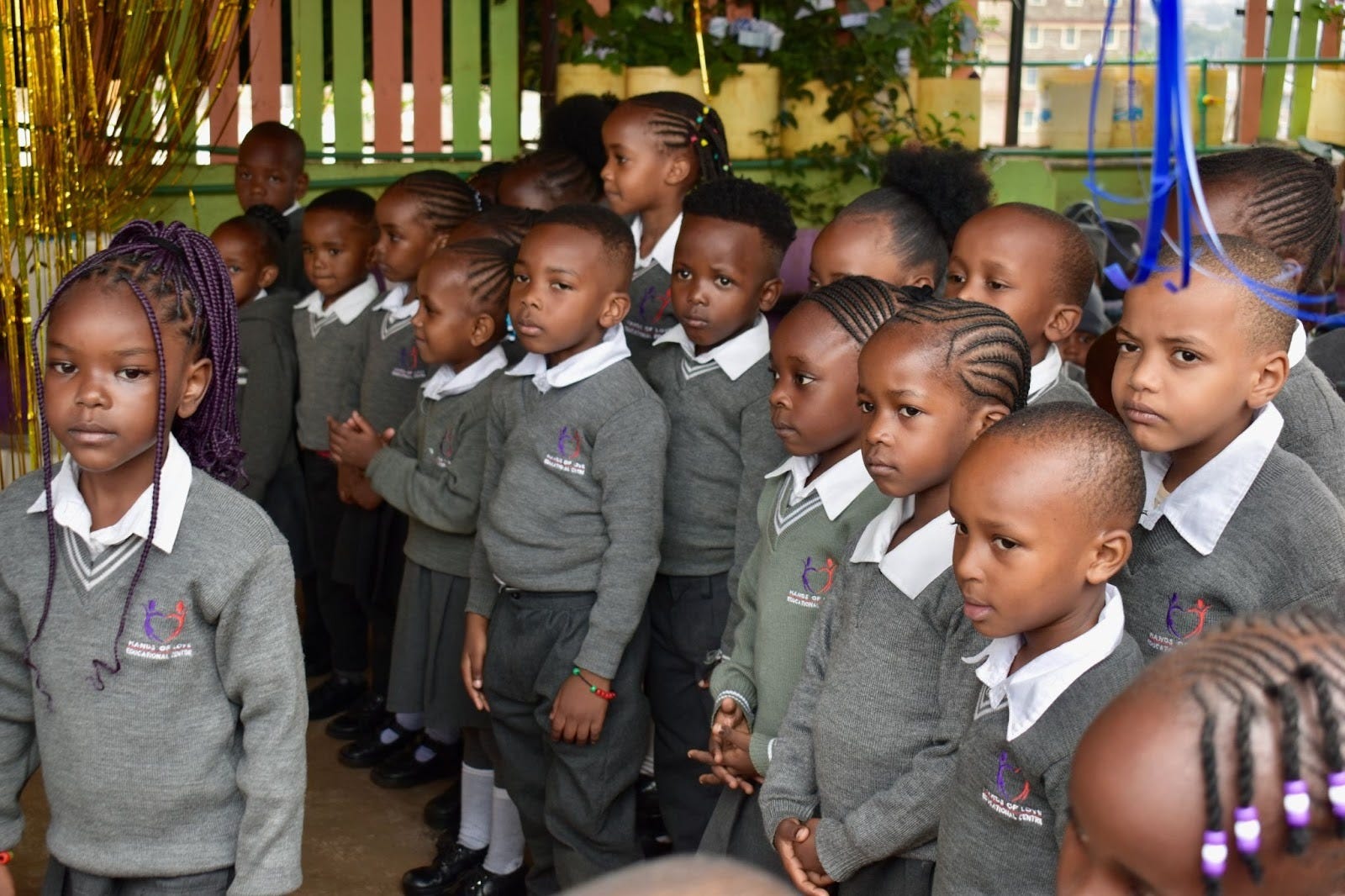
The absolute highlight of our year took place in October, when we held a colorful and joyous graduation ceremony for our Pre-Primary 2 (PP2) class. It was a day filled with song, dance, and tears of joy from parents and staff alike.
Seeing these students—who have grown with us in confidence and capability—don their gowns and receive their certificates was a powerful reminder of why we do this work.
Looking Ahead to 2026
The stability we achieved this year has given us the confidence to dream again. As we look toward 2026, we are exploring the possibility of eliminating the Play Group and reintroducing Grades 1 through 3, this will be done slowly starting with grade 1 in 2026. We are aiming to bring our student population back up to a maximum of 130 while maintaining the high quality of care we are known for.
None of our achievements would have been possible without the generous support of friends around the world. As always, we would be grateful for any contribution you are able to consider, keeping in mind that $365 fully supports schooling and feeding one child for the entire year.
Class Reports
Play Group (PG)
By Monica Njeri and Effie Joan
Introduction
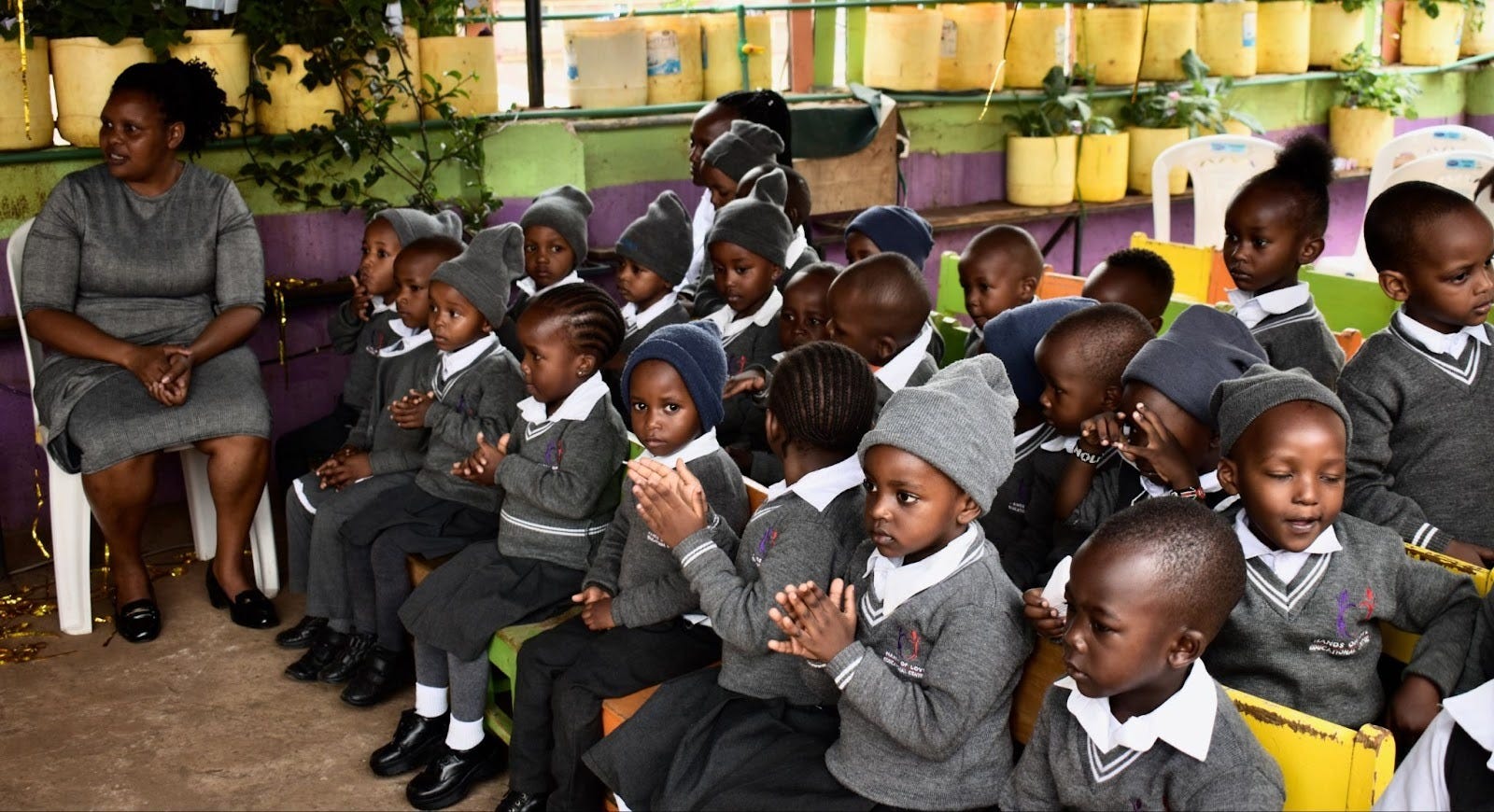
The play group has a total of 40 learners 16 of them being girls and 24 being boys.The learners have throughout the year shown enthusiasm in learning and class activities. They actively participate in songs, games,storytelling and group activities. Most of them come to school regularly and on time.
Academic Progress
Language: The learners can identify letter sounds, can read pictures and express themselves clearly. Many enjoy dancing and singing.
Mathematics: the learners can count numbers from 1-10,can count and write, can fill in the missing numbers.
Core Competencies Developed
Communication and expression through songs, rhymes and storytelling. Collaboration and team work during play-time.
Behavior and Social Development
The learners are generally well-disciplined, respectful and caring. They share learning materials e.g. Crayons and pencils and play together.
They are learning values of honesty, respect and responsibility.
Conclusion
This has been a successful year. The learners have worked hard and shown steady progress. We appreciate the support of the parents, and with continued cooperation the learners will achieve even greater success.
Pre Primary One (PP1)
By Monica Amolo and RoseAnn Awuor
Introduction
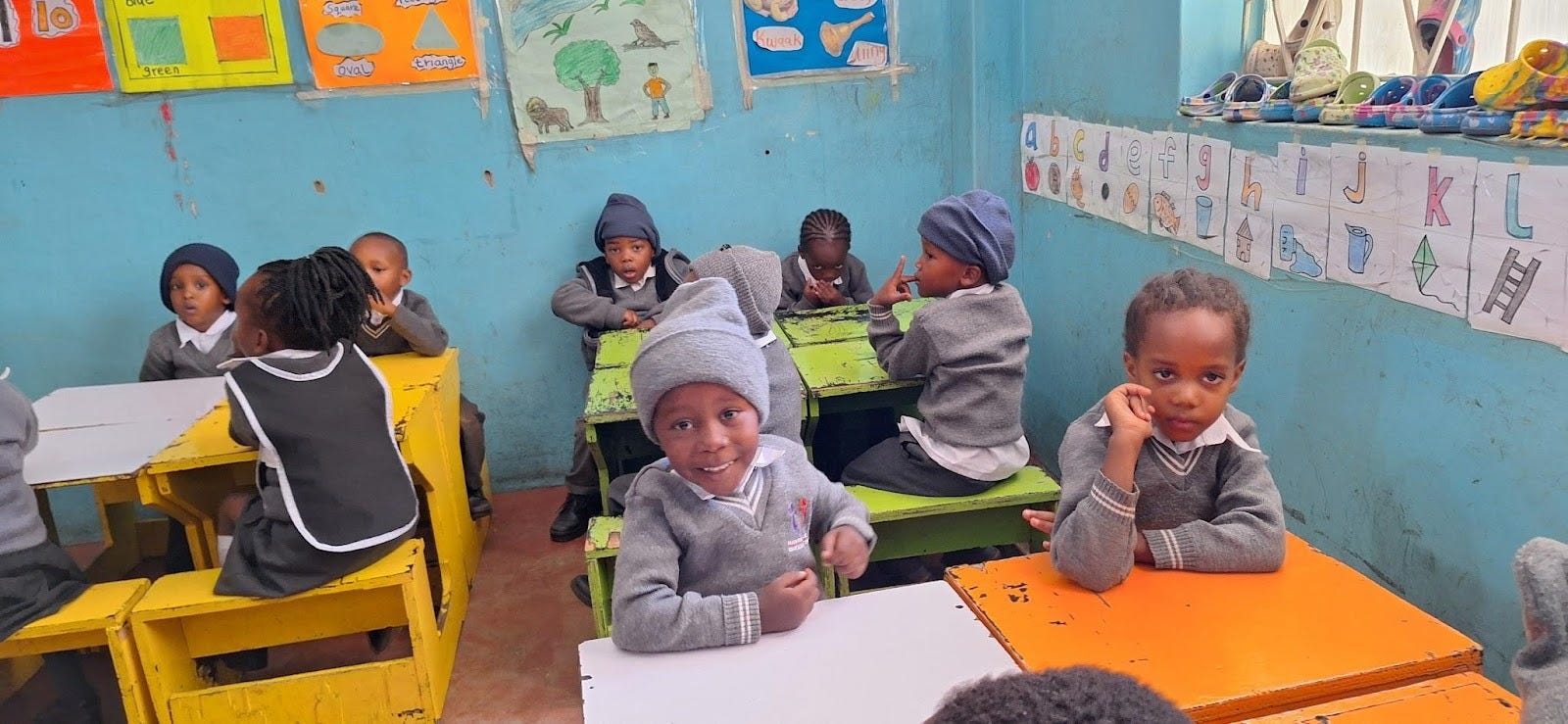
Pre primary 1 class consists of 42 learners (23 boys and 19 girls). Throughout the year, the group has consistently demonstrated high levels of cooperation, discipline, and performance, resulting in a positive and productive learning environment.
Academic Growth and Engagement
The class has achieved significant milestones, particularly in literacy. Learners who previously struggled with reading, writing letters, or identifying letter sounds have made substantial progress and have now mastered these foundational skills.
This success is attributed to our shift toward active learning methodologies and the integration of aspects of the Waldorf approach, which incorporates more play activities, painting, craft making, and group work. This approach has directly led to greater conceptual understanding and enhanced peer cooperation. Overall learning engagement has increased substantially, creating a dynamic and stimulating classroom atmosphere.
Student Well-being and Class Culture
We have fostered a safe, supportive, and polite class environment. This inclusive atmosphere has helped previously withdrawn learners become cooperative and engaged members of the class.
Inspiring personal growth has been evident across the group. For example, Hudson Muraya, who initially struggled with fear and withdrawal, has built tremendous confidence and now participates fully and freely. The class maintains a lively and joyful spirit, with energetic personalities like Azel Jabali, Evis Chege, and Hayaat contributing humor and life to the classroom.
We remain committed to providing emotional support to all learners, focusing on those who experience fear or learning difficulties, to ensure every child feels comfortable and secure in their learning environment.
Pre Primary 2 (PP2)
By Lilian Anyango, Diana Orego, and Lavine Ayienda
Overview
The academic year started with 39 learners and ended with 33, with the attrition of six learners attributed to family challenges or relocation.
Academic Performance
The class showed significant overall improvements in core subjects, particularly in literacy, numeracy, and environmental knowledge. Assessment was comprehensive, using both formal and informal methods. While the majority of learners excelled, a small number require additional, targeted support from both teachers and parents to reach their full potential.
Behavior and Discipline
General conduct was commendably good, with most learners consistently adhering to class rules. Overall discipline improved greatly through a consistent system of rewarding good behavior. Socially, learners demonstrated strong cooperation, unity, and respect during all structured and free-time activities.
Attendance and Punctuality
Attendance was generally good. However, recurring issues included some learners skipping the first week of term, prolonged absences due to sickness. Punctuality significantly improved after parental communication, allowing early-arriving learners valuable practice time.
Achievements
Learners made notable cognitive and communication advancements, with most now able to read, understand, and participate in meaningful conversations. They developed confidence and life skills, successfully completing practical projects like making pom-poms and weaving mats. Special effort was made to encourage shy learners, resulting in their successful participation in activities such as singing and reciting poems. We are confident that the graduating class is well-prepared for Grade One next year.
Conclusion
We are very grateful for the support we received from the school administration, fellow teachers, and parents which made this year a success.
None of our achievements would have been possible without the generous support of friends around the world. As always, we would be grateful for any contribution you are able to consider, keeping in mind that $365 fully supports schooling and feeding one child for the entire year.